
Summary
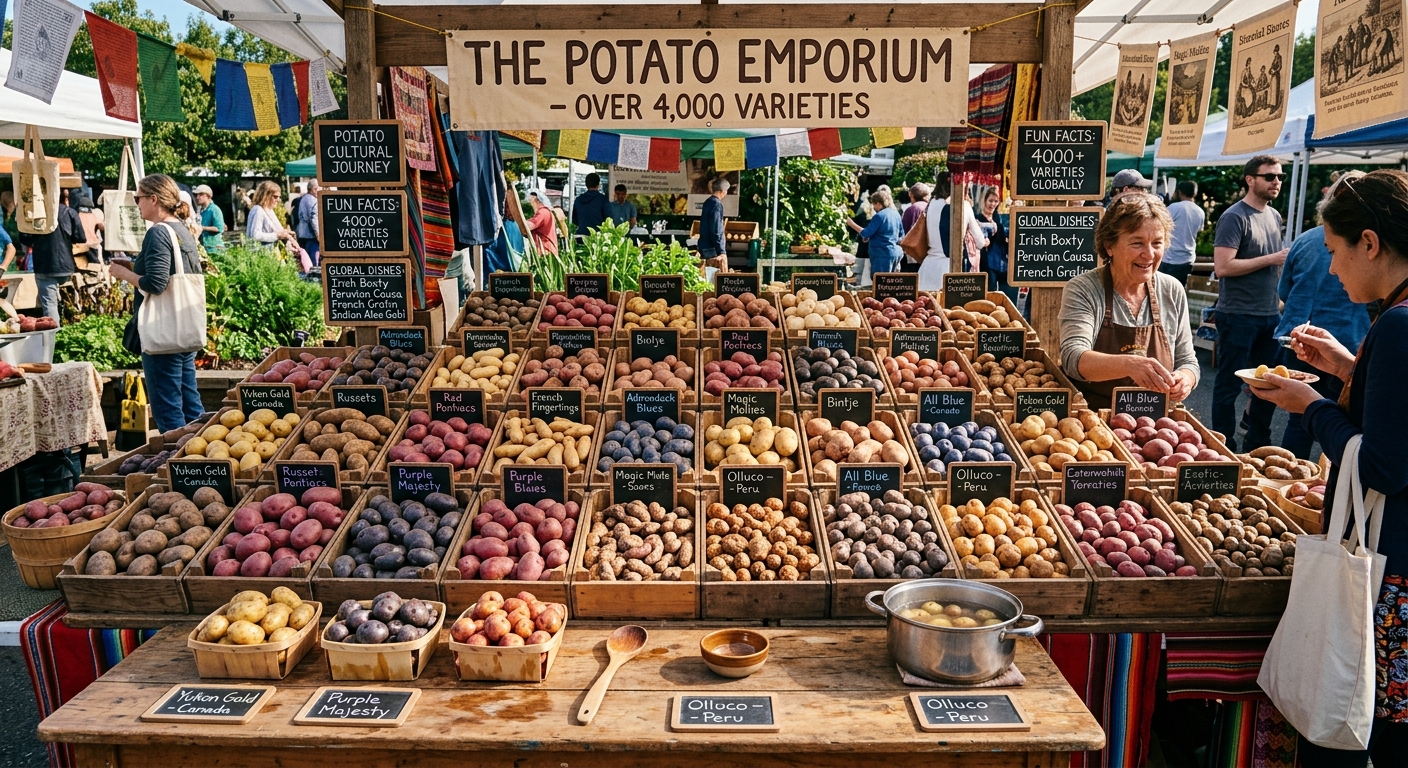
The potato is a crucial root vegetable that has significantly influenced diets and cultures worldwide, originating from the Andean regions of South America. Its introduction to Europe in the 16th century established it as a dietary staple, especially in Ireland and Eastern Europe. With over 4,000 varieties available, potatoes offer unique flavors and textures that contribute to a diverse array of cooking methods and dishes, each suited to different dietary needs and culinary preferences.
History of Potato Consumption
Initially domesticated by the Inca Empire in the Andes, the potato played a central role in their diet and culture, showcasing advanced agricultural methods. The Spanish explorers’ introduction of the potato to Europe led to its adoption across many countries by the end of the 18th century, particularly in Ireland where it became a primary food source. However, the Irish Potato Famine illustrated the risks associated with monoculture, highlighting the importance of agricultural diversity for sustaining populations in the long term.
Popular Potato Varieties
With over 4,000 potato varieties, each offers distinct culinary qualities that suit different cooking methods. Russet potatoes are preferred for baking and mashing due to their fluffy texture, while Yukon Golds are favored for their creamy consistency in soups and mashes. Red potatoes, recognized for their waxy texture, are often used in salads and roasting. Understanding these varieties helps optimize cooking outcomes and enhances meal enjoyment.
Cooking Methods and Their Effects
Different cooking methods elicit unique textures, flavors, and nutritional qualities from potatoes. Boiling softens potatoes while preserving flavors, ideal for mashed dishes. Steaming also retains moisture and enhances texture, but baking and roasting create crispy exteriors and rich flavors; Russets are particularly well-suited for these techniques. Effective cooking can elevate the sensory experience and nutritional profile of potatoes, making them a versatile dinner option.
Classic and Iconic Potato Dishes
Potatoes inspire timeless dishes reflecting cultural heritage across many regions. French fries, believed to have originated in Belgium, offer various local variations worldwide, while Irish dishes like colcannon and boxty emphasize the potato’s cultural significance. In French cuisine, rich dishes like aligot and gratins highlight culinary craftsmanship. Exploring these classics showcases the potato’s versatility and its role in social dining experiences.
International and Regional Potato Recipes
Potatoes feature prominently across global cuisines, adapting to local tastes and traditions. In Ireland, boxty and colcannon symbolize a deep connection to the food culture. French recipes like aligot and pommes boulangère showcase the luxury of potato preparation, illustrating their adaptability. Meanwhile, in India, dishes such as aloo gobi blend spices with potatoes, reflecting regional diversity and cooking styles.
Nutritional Information and Health Considerations
Rich in carbohydrates, potatoes’ nutritional benefits vary by type and cooking method, influencing glycemic index values. Selecting lower glycemic options may assist in managing blood sugar and contribute to a balanced diet. Each variety offers distinct advantages, such as the vitamin C-rich Yukon Golds and iron-rich russets, fostering informed dietary choices.
Toxicity and Safety
Potatoes contain glycoalkaloids, such as solanine, primarily found in sprouts and the skin. These compounds can be harmful if consumed in significant amounts, particularly when potatoes are green or damaged. Proper storage and handling are crucial to prevent toxicity; avoiding sprouted or discolored tubers is essential for safety.
Selection, Storage, and Preparation Tips
Understanding the characteristics of common potato varieties aids in selecting the right type for specific dishes. For instance, russets excel in baking, while Yukon Golds are fantastic for roasting. Storing potatoes in cool, dark, well-ventilated spaces helps maintain quality and reduce toxin levels. Various cooking techniques can enhance flavor and texture, maximizing the versatility of potatoes in meals.
Cultural Significance and Symbolism
The potato transcends its role as food, symbolizing resilience and cultural identity. In the Andean region, it served as a staple and cultural icon, while in Ireland, it embodies sustenance despite historical hardships. Its impact extends to social customs, often featured in gatherings and celebrations, reinforcing community bonds.
Modern and Creative Uses
In today’s culinary landscape, the potato’s role has evolved beyond tradition to encompass innovative fast food and gourmet applications. Chefs and home cooks experiment with various techniques, discovering unique flavors and textures. This ongoing creativity invites exploration and appreciation for the potato’s adaptability, making it a versatile ingredient in modern dishes.
The content is provided by Jordan Fields, 8 Minute Read