
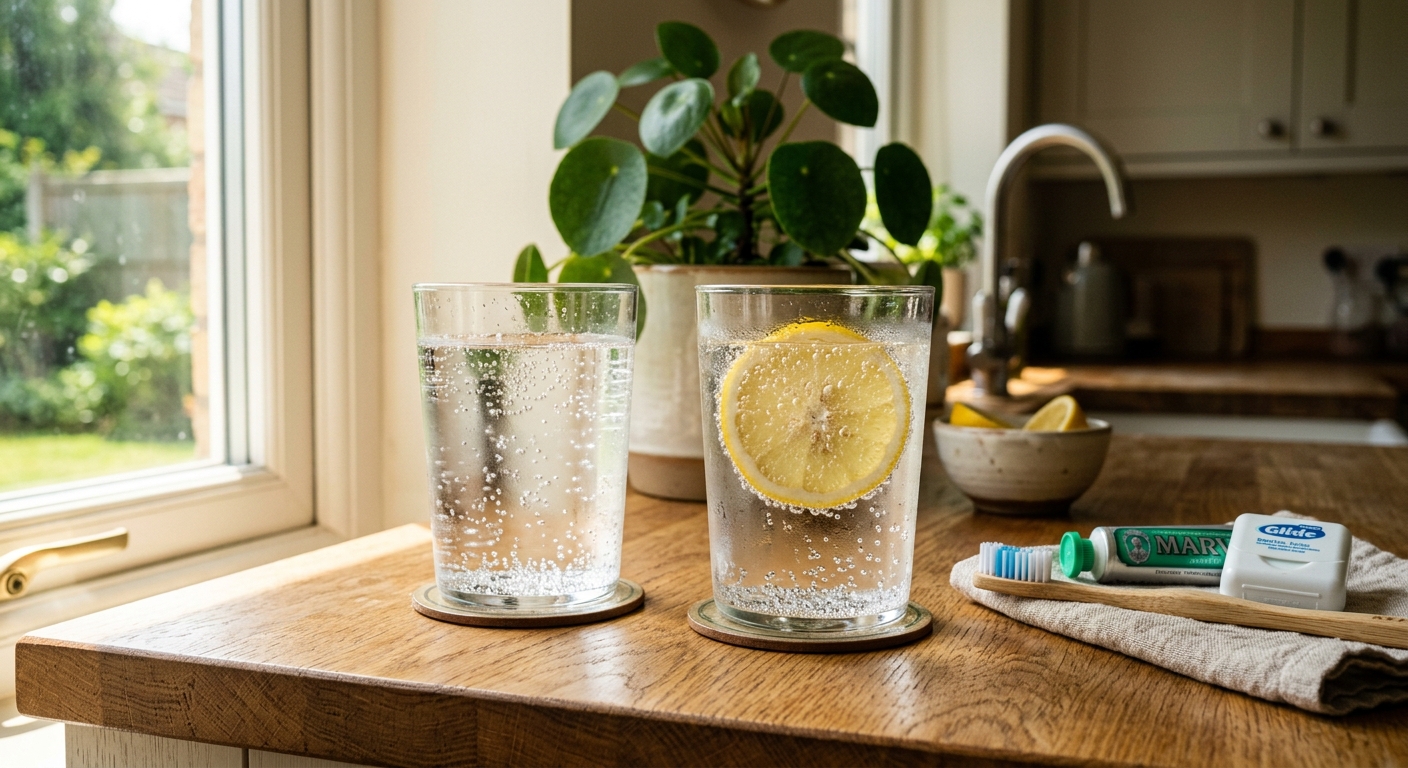
Understanding the Impact of Sparkling Water on Dental Health
When considering sparkling water, many consumers are concerned about its effects on tooth enamel due to its acidity. Sparkling water has a mild acidity level, typically between 3.5 and 5.0, which is lower than sugary sodas and fruit juices but higher than still water. Plain varieties generally pose minimal risk to enamel erosion; however, flavored options containing citric acid significantly increase this risk. Awareness of these differences can guide consumers toward healthier choices when selecting carbonated beverages.
Composition and Acidity Levels
Sparkling water consists primarily of carbon dioxide dissolved in water, creating a weak acid known as carbonic acid. This results in a beverage that is more acidic than still water but less so than many sodas and fruit juices. The carbonation level and any added flavoring agents, such as citric acid, greatly influence its acidity. Consumers should consider these factors when selecting sparkling water, as higher acidity corresponds with a greater potential for enamel erosion.
Enamel Interaction and Erosion Risks
The interaction of sparkling water with tooth enamel largely stems from its acidity, which can lead to enamel demineralization. Plain sparkling water, while mildly acidic, is less erosive than flavored varieties that often include stronger acids like citric acid. Prolonged exposure to these more acidic beverages increases the cumulative risk of erosion. Understanding that repeated contact can amplify wear on enamel is key in making informed dietary choices regarding beverage consumption.
Influence of Consumption Patterns
Consumption patterns, such as frequency and timing, significantly impact dental health, especially among individuals with a high intake of carbonated soft drinks. Regular exposure to acidic beverages can lead to a higher prevalence of dental caries due to both acid and sugar content promoting tooth decay. Awareness of the timing of consumption—such as enjoying sparkling water during meals rather than throughout the day—can help mitigate exposure to acidity and support better oral health outcomes.
Research Insights on Sparkling Water and Dental Erosion
Clinical studies suggest that the risk of dental erosion from sparkling water is lower compared to sugary sodas, as saliva helps neutralize acidity effectively. Research indicates that unsweetened sparkling water may remain relatively safe for teeth, particularly when consumed intermittently. However, flavored varieties provoke higher erosion risks due to additional acids, making it essential for consumers to differentiate between plain and flavored options when assessing potential risks to dental health.
Strategies for Dental Health Preservation
To protect dental enamel while enjoying sparkling water, professionals recommend several strategies. Using fluoride treatments can enhance enamel strength, while waiting 20 to 30 minutes after consumption to brush teeth reduces the risk of abrasion. Drinking still water after sparkling options helps restore pH balance, and limiting the frequency of carbonated beverage intake minimizes prolonged acid exposure. Implementing these practices can create a balanced approach, allowing consumers to enjoy sparkling water without compromising oral health.
Clarifying Misconceptions about Carbonated Beverages
Despite its popularity, misconceptions about sparkling water’s detrimental effects on dental health persist. Many individuals conflate it with sugary sodas, overlooking that unsweetened sparkling water is generally a safer choice. The nuances of carbonation levels and flavoring additives matter significantly; therefore, examining the composition of each product can lead to more informed decisions regarding their impact on dental health. Educating oneself on these differences can help dispel misconceptions and promote healthier beverage choices.
The content is provided by Avery Redwood, 8 Minute Read