“`html
Summary
In February 2024, Waymo temporarily suspended its ride-hailing services in San Francisco due to a significant power outage affecting around 130,000 customers of Pacific Gas and Electric Company (PG&E). The outage, initiated by a fire at a PG&E substation, resulted in citywide traffic signal failures, causing extensive traffic delays and prompting emergency responders to manage intersections manually. Waymo’s autonomous vehicles, programmed to treat non-functional signals as four-way stops, faced challenges, leading to prolonged stationary periods at intersections and increased congestion.
This situation led San Francisco officials, including Mayor Daniel Lurie, to request a temporary halt of Waymo’s services. The incident exposed the vulnerabilities of integrating autonomous vehicles into urban settings, especially during emergencies. In response, Waymo introduced immediate measures, including software updates for better outage awareness and enhanced collaboration with local authorities to improve future operations.
Incident Overview
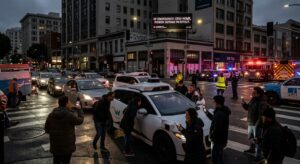
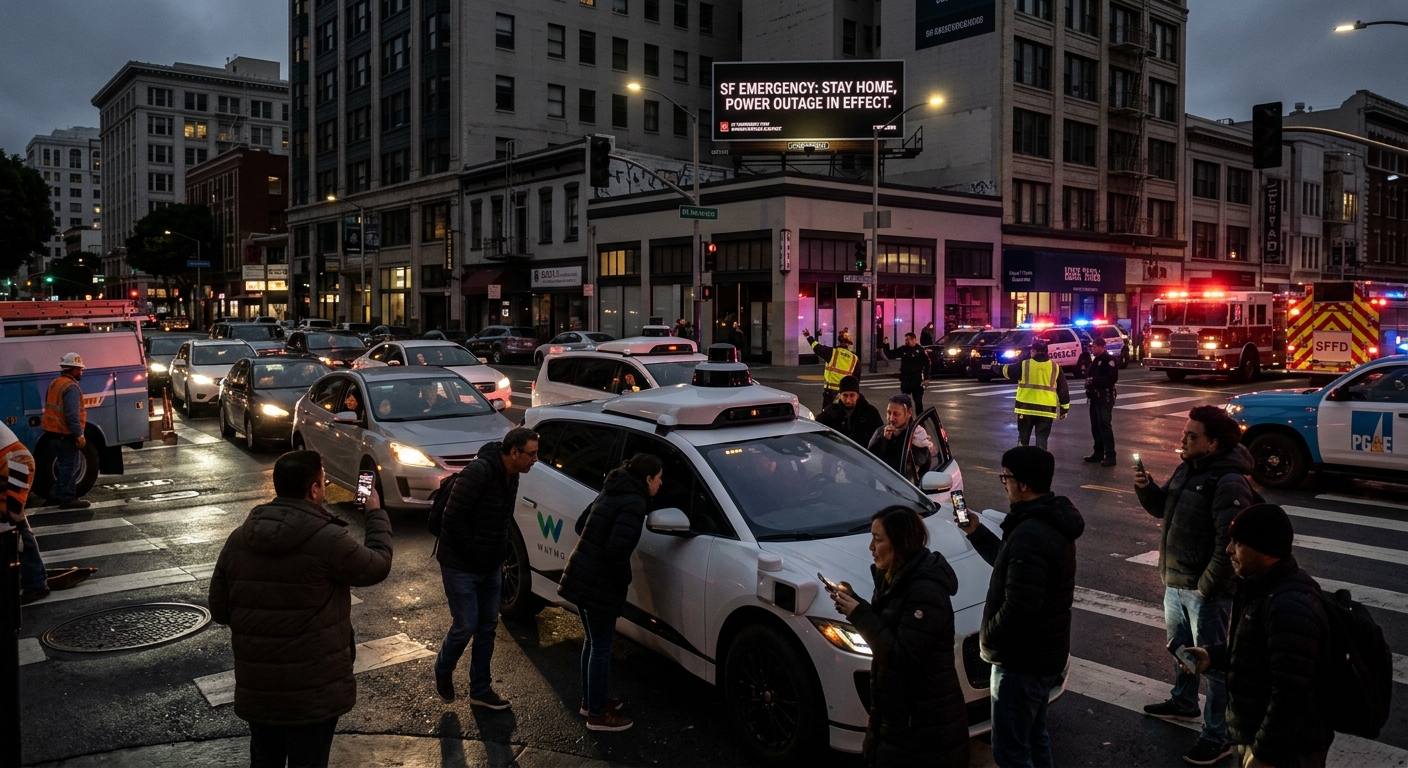
The February 2024 power outage in San Francisco resulted from a fire at a PG&E substation, significantly disrupting traffic across the city. Several neighborhoods experienced complete traffic signal failures, prompting public safety announcements advising residents to stay home. Waymo, which operates a fleet of autonomous vehicles in the area, actively paused its services to navigate the challenging conditions posed by these outages safely.
Despite being programmed for non-operational signals, the magnitude of this power failure resulted in some Waymo vehicles becoming immobilized at intersections for extended periods, contributing to overall traffic congestion. As authorities mobilized emergency responders to restore order, Waymo worked closely with city officials to monitor the situation and prepare for service resumption once conditions improved.
Operational Adjustments and Safety Measures
Post-outage, Waymo suspended its ride-hailing services to prioritize safety and operational efficiency. The company took several steps, including implementing fleet-wide software updates to enhance outage detection and responsiveness at intersections. This proactive approach aimed to bolster the overall reliability of its autonomous vehicles during similar incidents in the future.
Moreover, Waymo is refining its emergency protocols based on this experience, emphasizing collaboration with city officials to ensure that its fleet operates safely and efficiently under challenging conditions. With ongoing discussions about public safety and the need for regulatory responsiveness, these initiatives reflect a broader commitment to improving autonomous vehicle performance, especially during emergencies.
Technical Improvements and Innovations
Waymo’s autonomous fleet faced notable technical challenges during the outage, particularly in managing darkened intersections. While their software is designed to interpret non-operational signals as four-way stops, the scale of the power failure highlighted gaps in this functionality, resulting in delays for some vehicles. In light of this, Waymo plans to bolster technical capabilities through fleet-wide updates, enhancing vehicles’ contextual understanding of regional outages.
Furthermore, ongoing improvements to Waymo’s sensor fusion technology, which integrates data from various sensors, aim to enhance the accuracy of environmental modeling in real-time. By revising its software to better handle unexpected disruptions in urban settings, Waymo seeks to ensure that its autonomous systems remain dependable, even amidst significant infrastructure failures.
Public Impact and Reaction
The power outage significantly affected urban traffic conditions in San Francisco, leading to concerns among emergency responders regarding the performance of autonomous vehicles during crises. Reports of stalled Waymo cars effectively blocking thoroughfares aggravated the situation, prompting community discussions about the implications for public safety. Local officials have expressed frustrations about the reliance on autonomous technology, especially during critical incidents.
<pWaymo's decision to pause services reflected a dedication to safety during the outage, while ongoing discussions surrounding AV regulation and integration suggest a need for improved interactions between autonomous systems and emergency responders. This incident has energized calls for comprehensive reviews of operational preparedness to enhance AV reliability and mitigate risks during emergencies.
Future Directions and Considerations
Waymo is utilizing insights gained from the outage to refine its autonomous software continuously. Collecting data from the incident will drive the improvements necessary to prepare for future crises, such as natural disasters or utility outages. Enhanced vehicle capabilities, alongside a commitment to ongoing communication with city officials, aim to create more resilient operational practices moving forward.
<pAdditionally, lessons learned from this event may inform the future development of autonomous technology, addressing both safety and operational concerns in urban environments. Waymo’s commitment to evolving its systems illustrates a broader movement in the industry to enhance trust and reliability in autonomous mobility solutions.
“`
The content is provided by Sierra Knightley, 8 Minute Read