
Summary
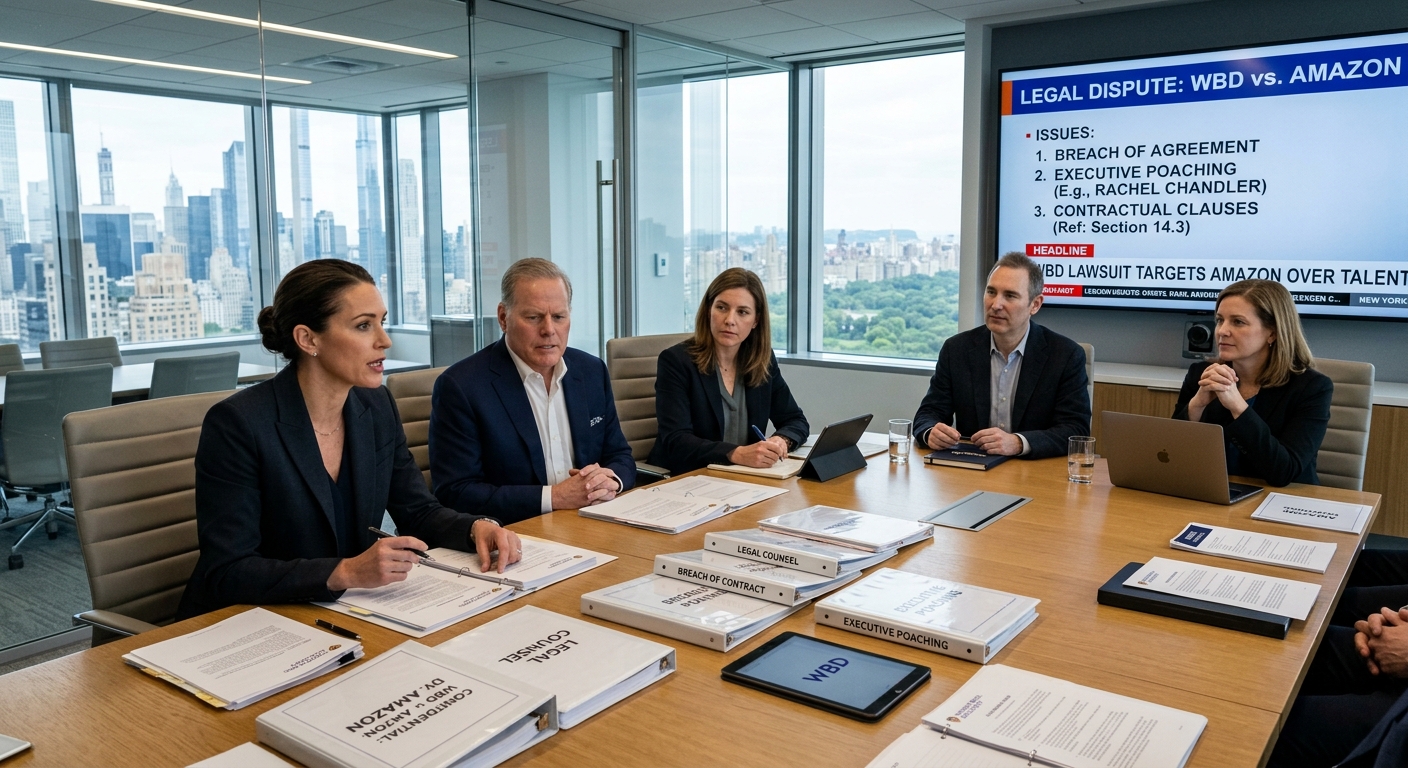
In 2026, Warner Bros. Discovery (WBD) filed a lawsuit against Amazon for allegedly poaching key executives under contract, focusing on Pia Barlow’s recruitment from HBO Max. The company claims Amazon’s actions violate California law regarding contractual relations, unfair competition, and employee inducement. This case showcases the escalating conflict between traditional media’s reliance on employment contracts and tech firms’ more flexible hiring practices, highlighting legal ambiguities surrounding contract enforceability in California.
Competitive Landscape and Legal Challenges
WBD has been shielded from aggressive recruitment by tech firms as competition for seasoned executives intensifies, especially with the rise of streaming platforms. The lawsuit, triggered by Amazon’s hiring of employees with active contracts, signals WBD’s broader strategy amidst ongoing restructuring and competitive pressures. This action is part of a trend where traditional media firms are increasingly leveraging legal disputes to protect their interests against the recruitment tactics of tech companies.
Allegations Against Amazon
The lawsuit outlines allegations against Amazon for inducing breaches of contract and undermining WBD’s employment stability. Besides Barlow, other executives were targeted, reflecting a pattern of interference in Warner Bros.’ talent pool. The claims of unfair competition are not just about recruitment but also address potential breaches of trade secrets stemming from Amazon’s actions.
Legal Framework of Employment Contracts
Central to the dispute are the enforceability and limits of term employment agreements in California, where noncompete clauses are largely prohibited. Despite this prohibition, many companies attempt to craft contracts to bypass these restrictions, leading to legal complexities. WBD’s employment agreements typically include clauses preventing executives from soliciting clients or employees for up to 24 months post-employment, part of a broader strategy to maintain a stable workforce in a competitive industry environment.
Trade Secrets and Confidentiality Issues
WBD accuses Amazon of not only poaching employees but also misappropriating trade secrets and confidential information during recruitment efforts. The allegations suggest that Amazon’s strategies involved exploiting sensitive operational details, raising serious concerns about the protection of intellectual property. The potential legal ramifications include significant damages as the courts navigate the balance between protecting company secrets and promoting employee mobility.
Legal Proceedings and Industry Implications
On July 21, 2026, WBD filed its lawsuit in California, reinforcing ongoing discussions about contractual relations in the tech and media landscapes. The case exemplifies the challenges traditional companies face against tech giants that often recruit without formal contracts. The outcome may influence future recruitment practices, as both sectors grapple with the legality of aggressive hiring strategies amidst evolving employment laws.
Reactions to the Lawsuit
WBD has expressed strong condemnation of Amazon’s alleged practices, seeking monetary damages and injunctive relief against what it terms illegal actions. The lawsuit underscores escalating tensions concerning employee retention and recruitment in light of California’s stringent laws on contractual agreements. Observers note that this case may further complicate the already intricate relationship between tech firms and traditional media companies, illustrating broader industry anxieties over competitive practices and employee rights.
Impact on the Industry
This lawsuit against Amazon underscores the growing legal disputes concerning employee mobility and contractual enforcement, indicating a shift in how traditional media companies protect their interests. The implications of this case extend beyond WBD, shaping how entertainment firms approach talent retention amidst aggressive recruitment by tech companies. The ongoing legal framework may redefine acceptable practices regarding employee agreements, particularly in California’s distinctive legal environment.
Historical Context and Related Cases
WBD’s case fits into a broader context of executive poaching disputes in both the tech and entertainment sectors. Legal precedents, such as Netflix’s lost case against 20th Century Fox, reinforce the importance of enforceability of contracts amid the recruitment challenges faced by legacy media firms. Moreover, cases across various industries demonstrate the critical role of contractual obligations in protecting proprietary information, underscoring the complex dynamics involved in high-stakes talent acquisition efforts.
The content is provided by Blake Sterling, 8 Minute Read