
Summary
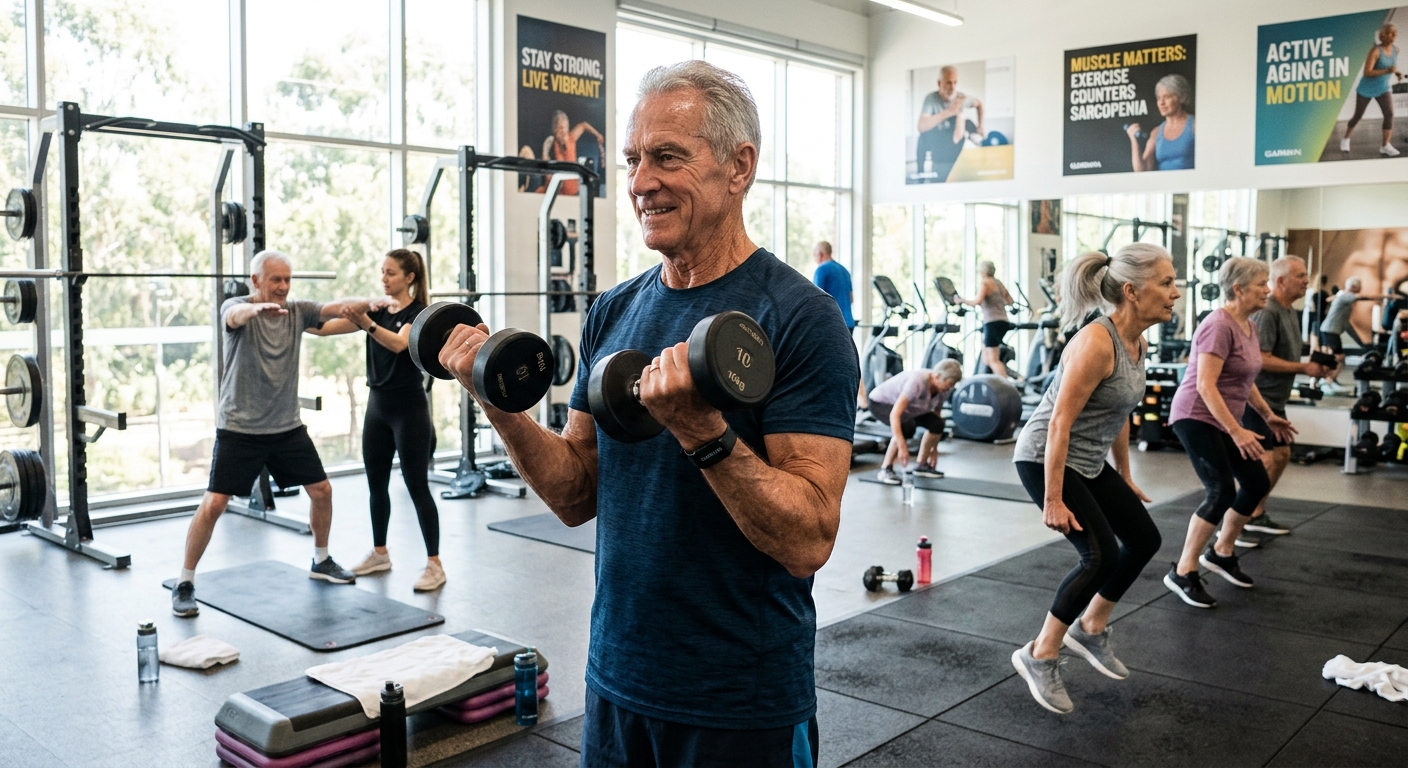
The emerging field of research explores how exercise can combat age-related muscle decline known as sarcopenia, which affects 5–10% of older adults, leading to diminished muscle mass and strength and negatively impacting mobility. Key advancements have identified genetic regulators like the MafB switch and muscle satellite cells that mediate the rejuvenating effects of physical activity. Resistance training and high-intensity interval training have been shown to activate critical biological pathways that enhance mitochondrial function and muscle protein synthesis, effectively reversing aspects of muscle aging and improving overall health status.
Understanding Sarcopenia
Sarcopenia predominantly affects older adults, beginning in early adulthood and accelerating after age 50. Characterized by a gradual loss of muscle fibers, especially type II fast-twitch fibers, this decline is compounded by the accumulation of non-contractile tissues. Exercise can mitigate these effects by enhancing muscle protein synthesis and counteracting the reduction in muscle regenerative capacity that accompanies aging, thus preserving functional independence and reducing the incidence of frailty.
Key Discoveries in Muscle Aging
Recent research has discovered the MafB genetic switch and highlighted the role of muscle satellite cells in muscle health, revealing exercise’s profound impact on muscle repair. Understanding the mechanisms through which physical activity strengthens muscles has been expanded by findings that resistance training can also positively influence bone health, supporting a systemic benefit. These insights stress the importance of ongoing research into how exercise can effectively rehabilitate the aging muscle system.
Molecular Mechanisms of Exercise-Induced Muscle Rejuvenation
Exercise leads to numerous molecular adaptations essential for countering muscle aging, including improved mitochondrial function and enhanced regenerative signaling. These adaptations not only boost muscle rejuvenation but also help maintain overall cellular health. The restoration of mitochondrial capacities through exercise highlights a crucial aspect of maintaining muscle endurance and strength in older adults.
Mitochondrial Function and Oxidative Stress
Aging often leads to mitochondrial dysfunction, which manifests as oxidative damage and reduced energy production. Regular exercise enhances mitochondrial health, significantly increasing both mitochondrial quantity and function. Additionally, mild oxidative stress generated during exercise activates beneficial antioxidant defenses, allowing for improved regulation of cellular metabolism and support for muscle health.
Muscle Satellite Cells and Regeneration
Muscle satellite cells are vital for muscle repair; however, aging impairs their function. Exercise promotes these cells’ activity, stimulating pathways that prevent their exhaustion and ensure effective muscle regeneration. This rejuvenation is crucial for restoring muscle strength and mass in elderly populations.
Inflammation and Cellular Senescence
Exercise significantly impacts markers of inflammation and cellular senescence, ultimately reducing muscle decline linked to aging. Through these interventions, exercise mitigates chronic inflammation, promoting a healthier muscle environment conducive to regeneration and function.
Transcriptional Changes and Fiber Type Transformation
Exercise induces key transcriptional changes that facilitate a shift in muscle fiber types, transitioning from fatigue-prone fibers to more oxidative, durable types. These adaptations enhance endurance and efficiency in older adults, contributing to improved muscle function associated with physical activity.
Impact of Various Exercise Modalities on Muscle Aging
Different exercise modalities yield unique adaptations that can effectively improve muscle function and resistance to aging in older adults. Understanding how each type of exercise contributes to muscle health can inform tailored fitness regimens that address sarcopenia.
Resistance Training
Resistance training proves to be particularly effective against age-related muscle decline, optimizing muscle strength and recovering at-risk muscle fibers. By promoting the growth and maintenance of fast-twitch fibers critical for powerful contractions, resistance training significantly enhances overall muscle function.
High-Intensity Interval Training (HIIT)
HIIT combines bursts of intense activity followed by recovery, effectively improving key muscle health markers such as aerobic capacity and insulin sensitivity. This modality can reverse some cellular aging markers more efficiently than lower-intensity activities, making it a valuable component of a comprehensive exercise regimen for older adults.
Endurance Training
Endurance training enhances aerobic function and muscle endurance but may not fully prevent the loss of fast-twitch fibers. Hence, a balanced approach that includes strength-oriented exercises is preferable for optimal muscle preservation and health in aging populations.
Integrated Training Approaches
Combining resistance training with moderate-to-high aerobic activities promotes the best outcomes for muscle aging. Evidence suggests that such integrated regimens help restore vital cellular functions, thereby fostering better muscle health and extending functional capacity throughout aging.
Supporting Evidence from Research
Clinical studies underscore the effectiveness of exercise, particularly resistance training, in improving muscle mass and strength in older adults. These interventions are associated with not only muscle growth but also decreased systemic inflammation, further protecting against the health declines often seen with aging.
Clinical Implications of Exercise Research
Insights from exercise-related muscle research carry significant clinical implications, particularly for addressing sarcopenia in older adults. Resistance training can effectively reverse negative cellular markers associated with muscle aging and enhance overall physical health, potentially reducing the prevalence of age-related chronic conditions. By fostering rehabilitation protocols that promote physical activity, healthcare providers can play a critical role in improving the quality of life for their patients.
Future Research Opportunities
The variability in individual responses to exercise highlights the need for personalized intervention approaches in aging populations. Understanding the molecular mechanisms underlying exercise adaptations will be essential for developing targeted therapies. Additionally, exploration of pharmacological exercise mimetics and innovative monitoring techniques could unlock new avenues for enhancing muscle health in individuals with limited mobility.
Conclusion
The intricate relationship between exercise and muscle aging reveals that physical activity is a potent tool for preserving muscle function and health throughout life. Continued research will unveil further insights, paving the way for more effective anti-aging strategies that harness the benefits of exercise.
The content is provided by Jordan Fields, 8 Minute Read