
Summary
Lichen planus (LP) is a chronic autoimmune disorder impacting the skin, mucous membranes, scalp, and nails, primarily characterized by pruritic flat-topped papules and erosive lesions. Its various manifestations require careful diagnosis and management to prevent complications and control symptoms. The condition affects about 1.27% of the population, with certain types, like oral lichen planus (OLP), more common in females and linked to factors such as hepatitis C infection. Treatment primarily focuses on symptom management using topical corticosteroids, though the response can vary and there are currently no approved targeted therapies, indicating a significant medical gap that needs addressing.
Overview
LP is recognized for its chronic inflammatory nature, displaying various clinical forms that necessitate prompt identification and management for effective treatment. It can occur at any age, impacting both sexes, although OLP is often diagnosed in females. Mucosal forms may exist independently or alongside other presentations, complicating diagnosis and management. This variability underscores the importance of distinguishing LP from other lichenoid lesions through clinical evaluations.
Causes and Risk Factors
The exact cause of LP remains unknown, but it is considered an autoimmune disorder characterized by T-cell-mediated destruction of keratinocytes. Genetic factors, particularly the presence of specific HLA antigens, and environmental triggers such as certain medications and chemicals, can increase susceptibility. Viral infections, especially hepatitis C, significantly raise the risk of developing LP, while psychological stress can exacerbate symptoms, necessitating a comprehensive understanding of potential triggers for effective management.
Classification and Clinical Variants
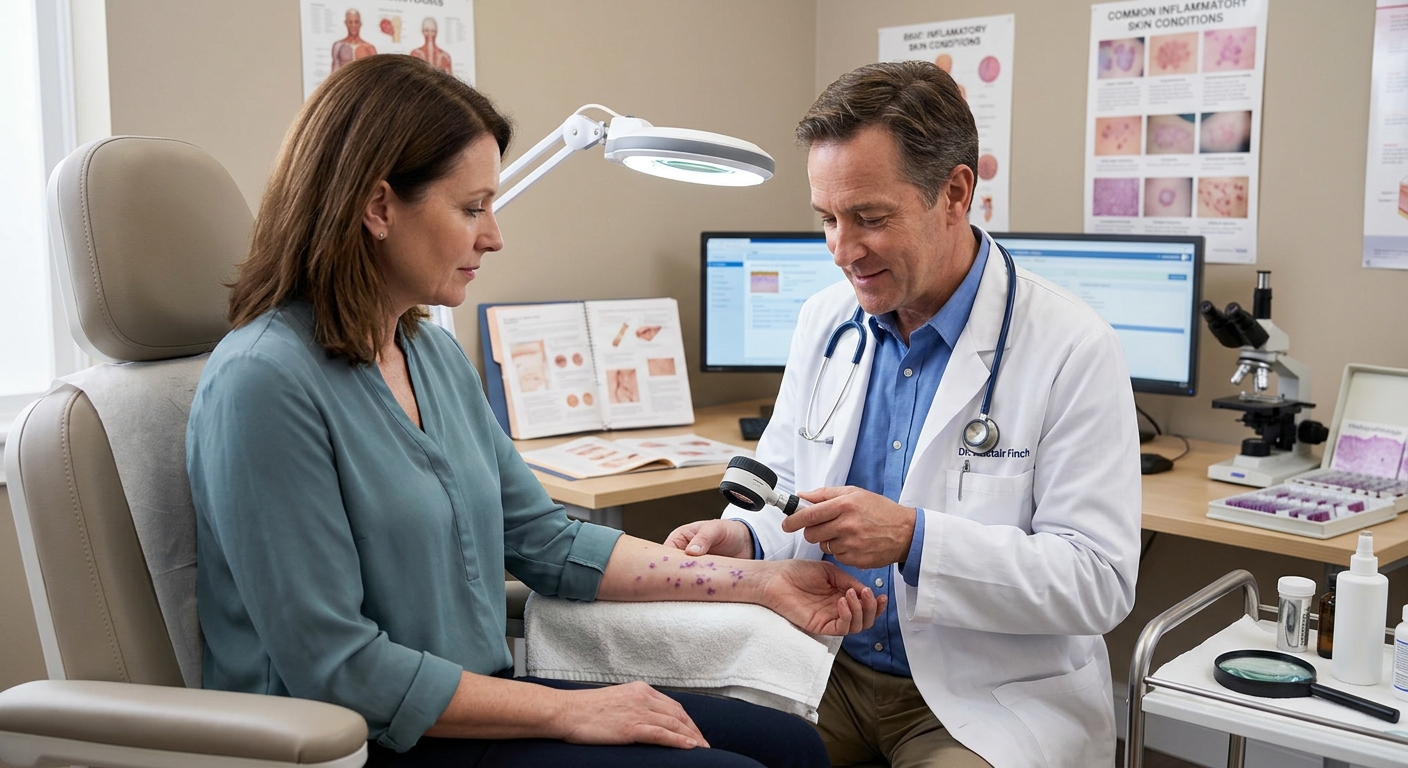
LP manifests in different clinical forms affecting skin, mucous membranes, and nails with distinct characteristics. Cutaneous LP presents as violaceous, flat-topped papules, often accompanied by symptoms of pruritus, commonly located on flexor surfaces. Morphological variants can complicate diagnosis due to their diverse appearance and distribution, including hypertrophic and linear forms, which require careful clinical evaluation.
Mucosal Lichen Planus
Mucosal involvement, especially OLP, is common and requires careful assessment due to its potential overlap with other conditions. The diagnosis can be challenging, often necessitating biopsy for confirmation, and various subtypes of OLP are recognized based on presentation. Genital involvement represents a significant concern, particularly among women with OLP, necessitating specialized management strategies to address complications.
Nail and Scalp Involvement
Nail changes in LP can lead to severe outcomes like nail loss, highlighting the importance of early detection and treatment. Scalp involvement is characterized by lichen planopilaris, leading to scarring alopecia; understanding these variants is critical to prevent long-term damage.
Other Variants
Less common forms of LP, such as pigmentosus and ulcerative LP, exhibit unique features that also require careful clinical differentiation. Each variant provides specific challenges in diagnosis and management that healthcare providers must navigate.
Clinical Presentation
LP typically presents as symmetrical, pruritic lesions, with variations in appearance based on skin tone. The oral variant can significantly impair quality of life due to discomfort and difficulty with eating and oral hygiene. Understanding the diversity of LP presentations and investigating potential external triggers can provide insights for effective management.
Pathophysiology
The immune-mediated nature of LP is characterized by targeted apoptosis of basal keratinocytes by T-cells. The interplay of various immune factors contributes to the chronic inflammation seen in LP, further complicating treatment approaches due to the disease’s varying patterns of presentation.
Histopathology
LP’s histopathological characteristics, such as the “saw-tooth” pattern and a band-like lymphocytic infiltrate, are distinctive and critical for diagnosis. Confirmatory histological examination enhances understanding of for differential diagnoses, which is essential given the similarities with other dermatoses.
Diagnosis
Clinical evaluation remains the cornerstone for diagnosing LP, supplemented by histopathological examination when necessary to confirm the diagnosis. The distinct characteristics of lesions aid in the identification of the condition, but careful differentiation from similar conditions enhances accuracy.
Treatment
Management of LP varies based on severity, with topical corticosteroids being first-line therapies for symptomatic relief. However, the lack of FDA-approved treatments for OLP highlights a critical gap in care. Individualized treatment plans are essential, as the response to interventions can differ markedly among patients.
Prognosis and Complications
LP generally has a variable prognosis depending on its form, with cutaneous variants often resolving over one to two years, while mucosal forms like OLP typically exhibit a chronic course. Regular monitoring is crucial due to the potential for malignant transformation, particularly in oral forms. Emphasizing symptom management and patient education can improve long-term outcomes and quality of life, reinforcing the need for a multidisciplinary approach.
Research and Advances
Ongoing research aims to refine diagnostic methods and explore treatment options for LP, with a focus on understanding its immune-mediated pathogenesis. While several therapeutic modalities are being evaluated, the lack of robust evidence for existing treatments poses challenges for clinical practice. Further exploration into potential triggers and novel therapies remains a priority to address the unmet clinical needs of LP patients.
The content is provided by Blake Sterling, 8 Minute Read