
Cervical Cancer Prevention Overview
Cervical cancer, mainly caused by high-risk HPV infections, is a leading health issue globally, particularly affecting women in low- and middle-income countries due to limited healthcare access. The introduction of HPV vaccines in 2006 has transformed prevention strategies, leading to significant reductions in cervical cancer rates among vaccinated cohorts, especially young women. However, disparities in vaccine access and screening highlight ongoing challenges that require focused public health initiatives to sustain advancements and meet global elimination targets set by the WHO.
Current Vaccine Landscape
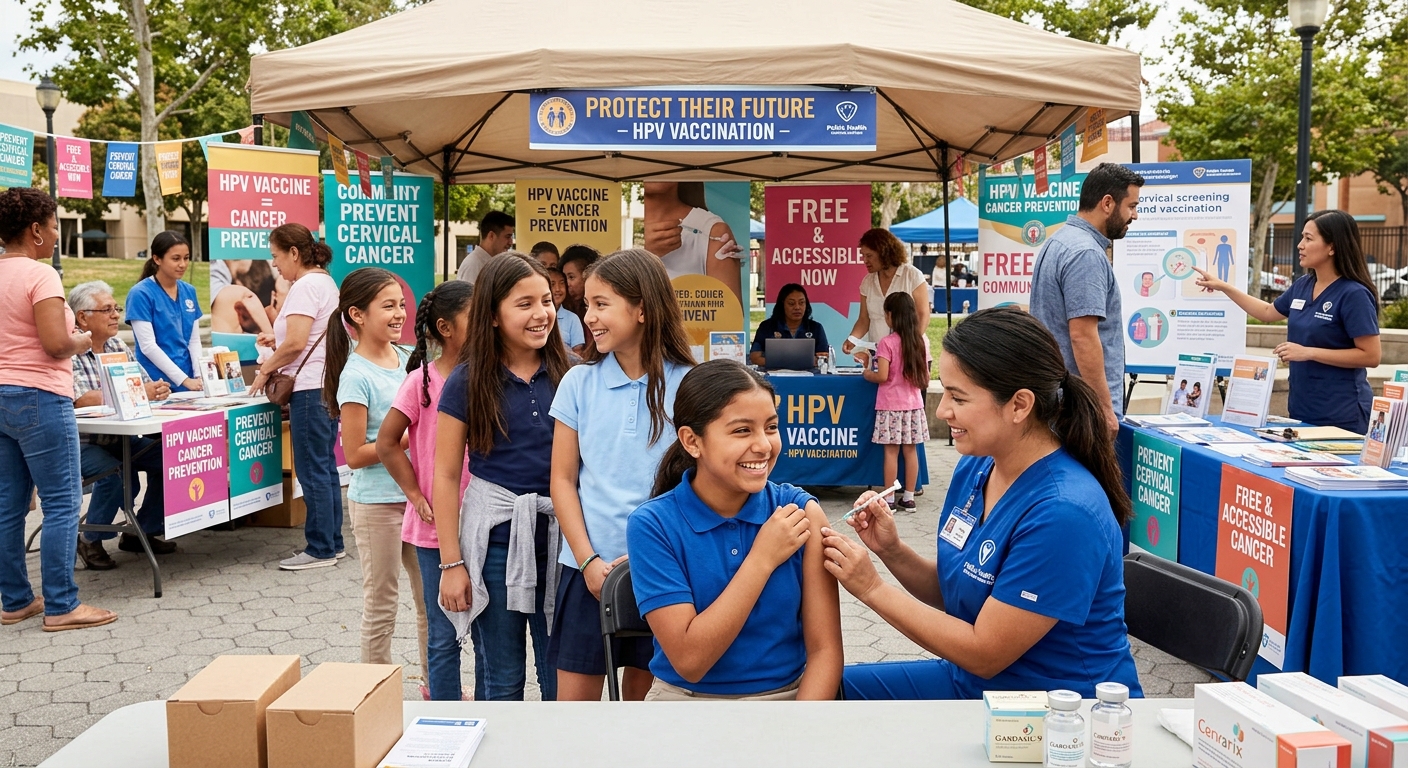
HPV vaccines, such as Gardasil and Cervarix, effectively prevent infections from the most oncogenic HPV types, particularly HPV 16 and 18, and are administered primarily to girls aged 9 to 14. Expanding vaccination recommendations to include adults up to age 45 has broadened the preventive scope, though challenges in achieving equitable access and coverage remain evident across different regions. Countries with strong healthcare systems show remarkable declines in cervical cancer rates, contrasting starkly with the situation in many low- and middle-income countries where vaccination and screening services are still lacking, underscoring the need for targeted public health strategies.
Vaccine Development Insights
The successful development of HPV vaccines is rooted in extensive research that established the link between HPV and cervical cancer, paving the way for the creation of non-infectious virus-like particles that prompt immune responses. Initial trials indicated high efficacy in preventing cervical lesions, leading to rapid global vaccine adoption. As vaccination protocols evolve, studies demonstrate that reduced-dose schedules still provide adequate immunogenicity, influencing worldwide vaccination strategies.
Impact on Cervical Cancer Rates
Evidence demonstrates that HPV vaccination has resulted in substantial reductions in cervical cancer deaths and incidence, particularly in young women. While the vaccine is designed to prevent new infections, it does not eliminate existing HPV infections, making ongoing education and screening efforts essential. Notably, regional disparities persist, with many underserved populations facing heightened risk and poorer outcomes, indicating a need for comprehensive healthcare solutions that bridge these gaps.
Public Health Strategies
Global initiatives have successfully integrated HPV vaccination into public health frameworks, with a significant increase in countries adopting immunization programs. Targeted ages for vaccination and strategies such as school-based programs are crucial in optimizing coverage. Nevertheless, achieving equity, particularly in rural versus urban areas, remains vital, as many underserved populations still lack sufficient access to cervical cancer prevention measures.
Addressing Ongoing Challenges
Despite the success of vaccination programs, challenges such as inequitable vaccine distribution and uneven healthcare infrastructure impact cervical cancer prevention efforts. Additionally, ethical considerations around access and policy fragmentation complicate overall efficacy. Highlighting these disparities and addressing them through cohesive policies is essential to maximize the impact of HPV vaccination and screening programs globally.
Future Directions in Cervical Cancer Prevention
The outlook for cervical cancer prevention is guided by ambitious global goals, including expanding vaccination coverage and ensuring access to screening and treatment. Persistent inequalities underscore the necessity for improving healthcare infrastructures, particularly in high-burden areas. Future research will likely focus on optimizing vaccination strategies and enhancing health education to further drive down cervical cancer incidence and mortality.
The content is provided by Harper Eastwood, 8 Minute Read