
Summary
Severe heat alerts are official warnings issued primarily by meteorological agencies such as the National Weather Service (NWS) in the United States to notify the public and institutions about impending dangerously high temperatures and heat indices that pose significant health risks. These alerts are critical for prompting preventive actions against heat-related illnesses like heat exhaustion, heatstroke, and dehydration, especially among vulnerable populations including children. Increasingly frequent and intense heatwaves, driven in part by climate change, have elevated the importance and impact of these warnings worldwide.
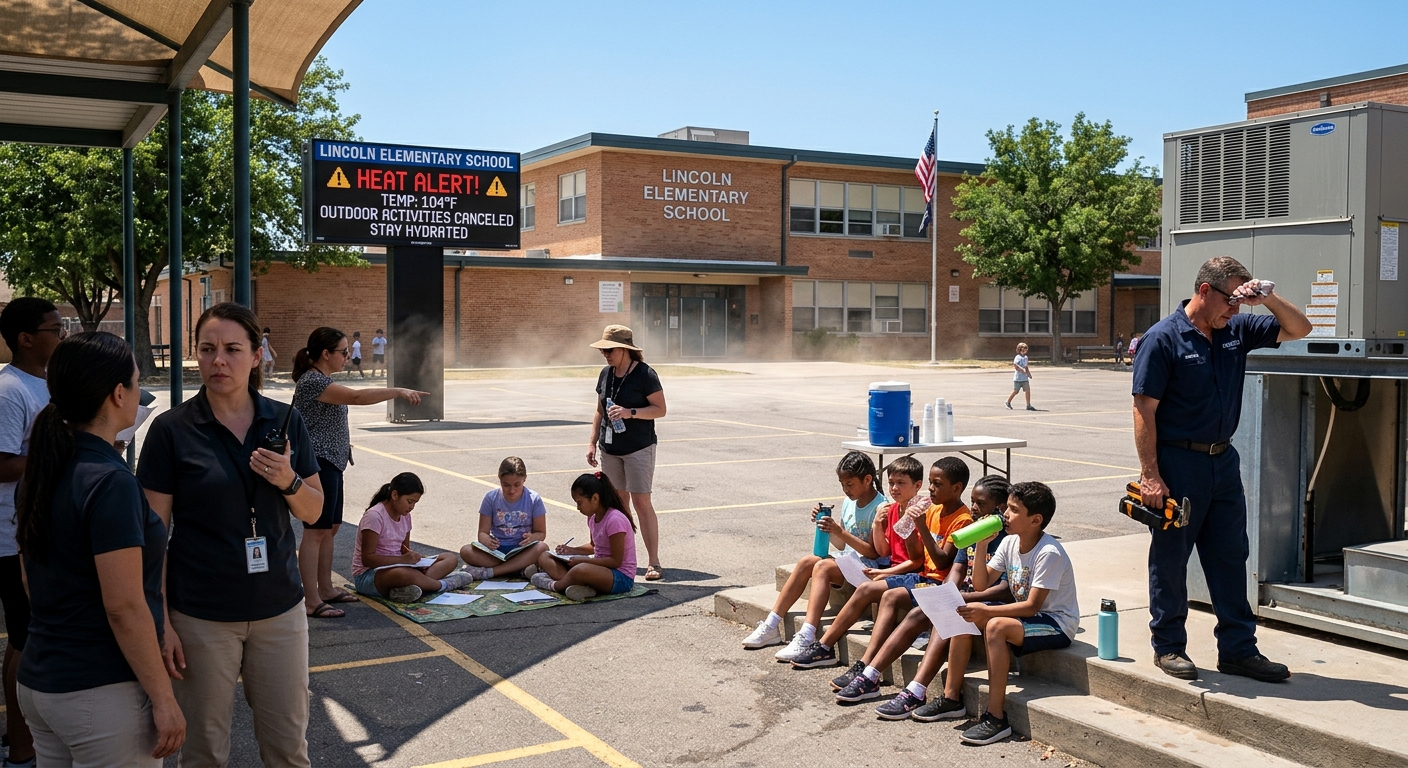
One notable consequence of severe heat alerts is the widespread closure or modification of school operations to safeguard the health of students and staff. Schools often rely on these alerts to adjust schedules, cancel outdoor activities, or implement full closures when indoor environments become unsafe due to extreme temperatures. These decisions are made through coordinated policies involving school administrators, local governments, and emergency management agencies, balancing safety concerns with educational needs. The scale of closures has grown, as seen in recent heatwaves causing hundreds of schools in regions such as the United Kingdom to close or dismiss students early.
The challenges posed by extreme heat extend beyond immediate health risks, impacting school infrastructure, community resources, and socioeconomic stability. Many schools lack adequate cooling systems, especially in urban and low-income areas, raising concerns about equitable access to safe learning environments during heat events. Moreover, closures disrupt essential services provided by schools, such as meals and childcare, exacerbating vulnerabilities among disadvantaged populations. Addressing these multifaceted issues requires long-term adaptation strategies, including infrastructure investments, coordinated emergency preparedness, and policy reforms that integrate climate resilience with public health and education priorities.
Controversies surrounding severe heat alerts and school closures often center on the adequacy of infrastructure, timing of decisions, and communication effectiveness. Critics argue that inconsistent policies and insufficient funding leave many students exposed to hazardous conditions or face unnecessary disruptions. Additionally, debates persist regarding regional variability in alert thresholds and the balance between safety and maintaining educational continuity. Ongoing efforts aim to refine heat alert systems, improve public understanding, and develop equitable approaches that protect vulnerable communities while minimizing adverse social and economic impacts.
Overview of Severe Heat Alerts
Severe heat alerts are warnings issued primarily by the National Weather Service (NWS) in the United States to inform the public about dangerously high heat conditions expected in the near future. These alerts are based on forecasts of the heat index—a measure combining air temperature and relative humidity to reflect how hot it feels to the human body—and are designed to help prevent heat-related illnesses such as heat stroke, heat exhaustion, and dehydration.
The NWS typically issues an Extreme Heat Warning when the heat index is forecasted to reach or exceed specific thresholds for a sustained period. In most areas, a warning is triggered if the heat index is at least 105 °F (41 °C) for more than three hours per day across two consecutive days, or if it exceeds 115 °F (46 °C) at any time. These criteria can vary regionally, reflecting local climate differences and population vulnerability. For example, some northern U.S. regions may issue a heat advisory starting at a heat index of 100 °F, while southern regions may use 105 °F as the baseline. The thresholds for excessive heat warnings are also adjusted accordingly, generally set at 105 °F or 110 °F depending on the region.
The timing of these alerts is typically within 12 to 36 hours in advance of the expected extreme conditions, allowing individuals, schools, and organizations to prepare and take preventive measures. The NWS uses both forecast models and the professional judgment of forecasters to decide when to issue these alerts, which include Heat Advisories for less severe heat, Heat Watches indicating potential extreme heat, and Extreme Heat Warnings for the most dangerous conditions. In March 2025, the NWS updated its terminology, renaming Excessive Heat Warnings and Watches to Extreme Heat Warnings and Watches, based on public survey feedback to improve clarity.
Severe heat alerts play a significant role in public safety and institutional decision-making. For instance, schools often rely on these alerts and associated heat risk forecasts to adjust outdoor activities, recess, and athletics, or to decide on closures to protect students and staff from heat-related health risks. The increasing frequency, intensity, and duration of heatwaves, driven in part by climate change, have heightened the importance of these alerts in safeguarding communities and critical infrastructure.
Regional Climate and Geographic Influences
Heatwave characteristics, including frequency, duration, and intensity, have shown increasing trends across many regions globally, with these changes accelerating particularly since the mid-20th century. However, these trends are not uniform, as regional climate variability and geographic features play a significant role in shaping how heatwaves manifest and impact local populations.
One critical aspect influencing heat severity is the interplay between temperature and humidity. In regions such as the Northeast and Southeast United States, the apparent heat—how hot it actually feels—is often amplified by high humidity levels. This heightened sensitivity is largely due to geographic factors like the presence of the Appalachian Mountains and proximity to the coast, as well as climatic conditions including prevailing oceanic winds and atmospheric patterns that trap moist air and inhibit rapid drying. Consequently, temperature alone may underestimate the true severity of heat events in these high-humidity areas, underscoring the importance of incorporating humidity metrics in heat risk assessments.
Additionally, the spatial extent of heatwave events varies by region and time of year, influencing the scale of exposure and stress on both human and natural systems. Large contiguous heatwave areas increase the strain on water and energy resources as well as emergency management infrastructure. Such regional differences highlight the necessity of localized climate data to better understand and prepare for the diverse impacts of heatwaves.
These regional and geographic influences directly affect the vulnerability of communities and institutions, including schools. Areas prone to high humidity and extended heatwaves often experience more severe health risks during extreme heat periods, which can lead to school closures to protect students and staff. The variation in regional climate conditions means that emergency response planning and mitigation strategies must be tailored to address the specific heat risks posed by local geography and climate patterns.
Health Risks Associated with Extreme Heat in Children
Extreme heat poses significant health risks to children, who are particularly vulnerable to heat-related illnesses such as heat exhaustion, dehydration, and heatstroke. These conditions can be exacerbated by increased frequency, intensity, duration, and severity of heatwaves, leading to greater heat stress among young populations worldwide. Children with chronic health conditions, including asthma, obesity, and heart disease, or those taking certain medications, face even higher risks during periods of extreme heat.
Exposure to high temperatures and humidity can elevate the likelihood of respiratory illnesses and other adverse health effects in children. The vulnerability is heightened by environmental and social factors, making risk communication and preparedness crucial for protecting children, especially pregnant women, infants, and adolescents. Globally, over one billion children reside in countries classified as extremely high-risk for the impacts of climate change, further emphasizing the importance of targeted interventions.
In school settings, extreme heat can increase the incidence of heat-related illnesses among students and staff, particularly during outdoor activities such as recess, physical education, athletics, and school events. To mitigate these risks, schools are encouraged to provide access to cool environments, hydration stations, and adjust or limit outdoor activities on high-temperature days. When heat conditions pose severe safety concerns—due to infrastructure limitations or unmanageable heat—schools may implement temporary closures or shift to remote learning based on site-specific risk assessments.
Operational Policies and Decision-Making in Schools
School districts implement specific operational policies and decision-making protocols to address the challenges posed by severe heat alerts, balancing safety, health, and educational needs. The decision to modify school schedules—such as closures, delays, early dismissals, or cancellation of after-school programs—is typically made by the Superintendent or their designee based on recommendations from the Deputy Superintendent of Operations. These decisions consider multiple factors beyond transportation, including health and safety concerns.
Timing is critical in the decision-making process. School closure decisions are generally made before 6:00 a.m. on the day of the closure to allow for overnight monitoring of weather conditions and to avoid unnecessary disruptions. However, if conditions are clearly severe, decisions may be made the night before. Once a decision is reached, a communication cascade is launched by 9:00 p.m. the preceding evening to inform all stakeholders via email, text messages, district websites, and media outlets. Additionally, by noon the day before a closure or delay, districts remind students to bring home necessary materials such as Chromebooks and medications.
Local authorities emphasize that the “safety, health and wellbeing” of students and staff remain the highest priority during extreme heat events. For example, Southampton City Council works closely with schools to assess individual circumstances and national guidance to decide if closures are necessary. Although full closures are not expected nationally, schools are encouraged to implement mitigations such as adjusting timetables, relaxing uniform rules, and ensuring access to water and cooler spaces. Typical schedule modifications include full school closures or two-hour delays to reduce heat exposure during peak hours.
Heat alert systems play a vital role in operational decisions. Schools and related education providers can subscribe to alerts from the National Weather Service (NWS), local health departments, and Wireless Emergency Alerts (WEA) to stay informed about impending extreme heat events. These alerts are issued based on forecast models and forecaster expertise to predict hazardous conditions.
Operational policies also address the health implications of extreme heat by promoting protective measures during school hours. Recommendations include modifying outdoor activities such as recess, physical education, and athletics, providing shaded or cooled indoor spaces, and ensuring access to drinking water. Schools are encouraged to have written heat policies outlining these actions and to accommodate vulnerable populations, including students with disabilities or unstable housing situations who may face heightened risks during heat emergencies.
Coordination with local governments, emergency services, and community organizations supports effective implementation of heat mitigation strategies and ensures that resources like cooling centers and health services are accessible. This collaborative approach helps maintain a safe learning environment while minimizing disruption caused by extreme heat conditions.
Scale and Frequency of School Closures Due to Heat
School closures due to extreme heat events have become increasingly common in regions experiencing severe heat alerts. In the United Kingdom, a rare red weather warning was issued as temperatures were predicted to exceed 40°C, resulting in dozens of schools closing to protect staff and pupils from dangerous overheating conditions. Specifically, more than 60 schools across Somerset either closed completely or dismissed students early as temperatures rose, highlighting the significant scale of these closures during heatwaves.
Protocols for school closures typically involve decisions being made early in the morning, often before 6:00 a.m., to monitor overnight weather conditions and avoid unnecessary disruptions. However, in cases where extreme heat is certain, closures or delayed start times can be announced the night before to ensure safety. These measures range from full school closures to partial delays, such as a two-hour late start, depending on the severity of the heat and local conditions.
The frequency of such closures is tied to the increasing incidence of extreme heat events. As climate change contributes to hotter summers and more frequent heatwaves, schools are more regularly forced to adapt by altering timetables or closing altogether to mitigate health risks. This trend underscores the need for comprehensive heat policies that address not only closures but also day-to-day responses during periods of extreme heat, including managing outdoor activities and ensuring safe indoor environments.
Infrastructure and Environmental Considerations
Extreme heat events pose significant challenges to school infrastructure, impacting the ability to maintain safe and comfortable learning environments. While procedures exist to continue food service during unanticipated school closures, it remains unclear how these services would function if school buildings become overheated during heatwaves. In some urban areas, such as New York City, nearly half of the designated public cooling centers are located in senior centers that do not admit children, limiting options for vulnerable students during school closures caused by heat. This is particularly concerning for children from low-income households who are more likely to lack air conditioning at home and face greater risks of food insecurity if schools close due to extreme heat.
To address these challenges, substantial investments are necessary to upgrade school infrastructure. This includes funding for cooling technologies, building retrofits, landscape modifications, and other adaptive strategies designed to enhance resilience against extreme heat. Accurate data collection is critical to determining the scale of these needs and ensuring equitable allocation of resources. The Inflation Reduction Act provides opportunities for increased funding through tax credits and clean energy initiatives to prepare schools for heat events.
Schools must also adopt proactive measures for managing indoor temperatures during heatwaves. Custodial engineers often monitor classroom temperatures and record complaints and mitigation efforts to maintain safe conditions. Teaching unions recommend maintaining indoor temperatures at or below 26°C to safeguard health and learning quality. School leaders conduct ongoing risk assessments and implement strategies to prevent heat-related illnesses such as heat exhaustion and fainting, which have been reported during recent heatwaves.
In the event that an operational HVAC system fails or cannot sufficiently cool the building, school principals are responsible for informing the school community and adjusting schedules as necessary. If the district closes schools due to heat, transportation services may be suspended, whereas delays or early dismissals will prompt modified transportation based on district priorities.
Environmental and health guidelines emphasize preventive actions such as hydration, staying in air-conditioned environments, limiting sun exposure, and frequent rest breaks during outdoor activities. Moreover, strategies to address extreme heat contribute not only to immediate safety but also to the overall healthy development of children by mitigating the harmful effects of climate change.
Collectively, these infrastructure and environmental considerations underscore the need for coordinated efforts among federal agencies including the EPA, Consumer Product Safety Commission, USDA, and Department of Energy to implement heat mitigation measures in schools, ultimately protecting the health and well-being of students and staff during severe heat events.
Coordination Between Schools and Emergency Management
Effective coordination between schools and emergency management agencies is crucial to ensure the safety and well-being of students and staff during severe heat alerts and other emergencies. School districts often operate within standardized emergency management frameworks, such as the Standardized Emergency Management System (SEMS) implemented in California, which facilitates communication and collaboration between schools, local government, and emergency responders. This system helps align school emergency operations with broader community response efforts, promoting a cohesive and efficient approach to crisis management.
Schools are encouraged to develop and implement clear protocols covering a range of emergency actions, including lockdowns, lockouts, shelter-in-place, evacuation, and student release and reunification procedures. These protocols are designed collaboratively with emergency management officials to address various scenarios, including extreme heat conditions. Additionally, schools distribute general response guidelines to families to enhance awareness and preparedness among students and caregivers.
Training and preparedness are fundamental components of this coordination. Schools maintain a stock of emergency supplies and regularly conduct drills and exercises to familiarize staff and students with emergency operations plans (EOPs). These activities often include first aid training and other preparedness skills, supported by oversight and professional development provided to local education agencies (LEAs). Community relations personnel, such as supervisors of community relations in school districts, play a key role in interpreting available information and ensuring communication channels remain open between schools, families, and emergency management entities.
Furthermore, schools and families are encouraged to sign up for timely alerts issued by agencies like the National Weather Service (NWS) and public health organizations. These alerts include heat advisories, excessive heat watches, and warnings that inform decisions about school closures or other protective measures during extreme heat events. Collaboration with organizations such as the UK Health Security Agency and the Met Office further enhances the availability and accuracy of heat-health alerts, helping schools to respond proactively to heat risks.
Emergency Preparedness and Response Protocols
Emergency preparedness in schools involves a comprehensive cycle of planning, training, and practicing to ensure that students and staff know exactly how to respond during a crisis, thereby reducing panic and mitigating risks. Schools implement established protocols such as the General Response Protocol, which provides clear instructions for various emergency actions including evacuation, shelter-in, and lockdown procedures. All staff and students are trained and regularly drilled in these protocols to maintain readiness, and families are provided with copies
Prevention, Mitigation, and Long-Term Adaptation
Addressing the impacts of extreme heat, particularly in vulnerable populations such as children, requires a multifaceted approach involving prevention, mitigation, and long-term adaptation strategies. These strategies not only aim to reduce immediate heat-related health risks but also promote the healthy development of children in the context of a changing climate.
Prevention and Immediate Mitigation in Schools
Schools play a critical role in protecting children from the dangers of extreme heat. Effective heat safety protocols include temperature monitoring, implementation of heat mitigation measures, and, when necessary, relocating or dismissing students, faculty, and staff if indoor temperatures exceed safe thresholds. Local educational agencies (LEAs) are encouraged to develop tailored protocols that account for local weather conditions, community needs, and available resources. Utilizing tools such as the National Weather Service HeatRisk forecast can help guide decisions on outdoor activities, including recess, physical education, athletics, and school events, to minimize heat exposure.
Coordination between school administrators and local government, law enforcement, and emergency services enhances the effectiveness of these plans, ensuring timely communication and response during extreme heat events.
Long-Term Adaptation and Policy Implications
Long-term adaptation efforts focus on building resilience among children and communities most at risk, especially in low- and middle-income countries where financial, political, and logistical challenges can impede progress. These efforts include comprehensive assessments of vulnerability and risk, followed by careful planning, implementation, and ongoing monitoring and evaluation to refine adaptation measures.
Pediatricians and child health stakeholders are urged to advocate for and participate in policy-making that elevates youth leadership in greenhouse gas mitigation and adaptation strategies. This engagement is critical given children’s heightened vulnerability and the ethical imperative to address the climate crisis they inherit but did not create.
Urban planning and healthcare guidance now emphasize fine-scale cooling strategies to counteract urban heat islands and intensifying extreme heat events, underscoring the need for climate change-informed primary care and community design.
Together, these prevention, mitigation, and adaptation strategies form an integrated framework aimed at safeguarding children’s health amid increasing global temperatures and the growing frequency of extreme heat events.
Community and Government Responses
Community and government responses to severe heat events involve coordinated planning and policy implementation across multiple levels, including local, county, state, and federal agencies. Effective responses require collaboration between school districts, emergency management, first responders, and local government officials to develop and update heat preparedness and emergency plans tailored to community needs. These policies can be formalized as stand-alone heat policies or integrated into existing school wellness and emergency preparedness plans, with ongoing review and enhancement recommended to ensure efficacy.
Government agencies provide oversight, guidance, funding, and professional development to Local Education Agencies (LEAs) to support the adoption of preparedness policies and practices aimed at mitigating heat-related risks in schools. Additionally, local governments, community leaders, and school boards play critical roles in educating stakeholders on heat stress risks and implementing measures to protect children’s health.
Professional organizations, such as the National Association of Head Teachers (NAHT), have issued guidance to school leaders addressing the impact of extreme heat on pupils and staff, legal considerations, and criteria for school closures during heatwaves. This guidance helps schools balance operational challenges, including managing student engagement and well-being during high temperatures.
Healthcare professionals, including pediatricians and child health advocates, are encouraged to advocate for youth-centered policies that address the disproportionate vulnerability of children to extreme heat and climate change. They also promote elevating youth leadership in climate mitigation and adaptation policymaking to ensure that the needs of young populations are adequately represented.
Furthermore, schools and families are encouraged to participate in alert systems that provide timely notifications about heat conditions and safety precautions, facilitating proactive responses to emerging heat threats. Overall, these coordinated efforts aim to reduce the health impacts of severe heat on children and communities through comprehensive planning, education, and policy action.
Broader Socioeconomic Implications
Extreme heat events have significant socioeconomic impacts, particularly on children and communities reliant on schools for essential services. School closures due to severe heat not only interrupt learning but also exacerbate existing disparities in educational achievement and economic stability. During the COVID-19 pandemic, extended school closures highlighted how interruptions in schooling can widen the achievement gap, negatively affect projected future earnings, and place additional burdens on caregivers, especially women.
Schools play a critical role beyond education; they provide food, childcare, and a safe environment for children. When schools close due to excessive heat, families lose access to these supports, which can have cascading effects on community well-being and economic productivity. This underscores the need for coordinated federal efforts to collect data on extreme heat impacts, invest in resilient school infrastructure, and establish enforceable temperature standards to protect students and staff.
The spatial extent and increasing frequency of extreme heat events strain resources such as water, energy, and emergency management systems, complicating response and mitigation efforts at local and national levels. Effective policy responses must be developed through consultation with local communities and leaders to address specific vulnerabilities and needs. Implementing multi-level solutions—including local, county, state, and federal policies, alongside social services and education initiatives—can mitigate the adverse effects of heat on children’s health and community stability.
Additionally, risk communication campaigns play a vital role in informing the public about heat safety, particularly for vulnerable populations like children, pregnant women, and the elderly. Providing access to cooling measures, shade, clean drinking water, and green spaces in urban heat islands is essential to reduce heat stress and its broader socioeconomic consequences. Together, these measures can help build resilience and reduce the disproportionate impacts of severe heat on vulnerable communities.
The content is provided by Sierra Knightley, 8 Minute Read